



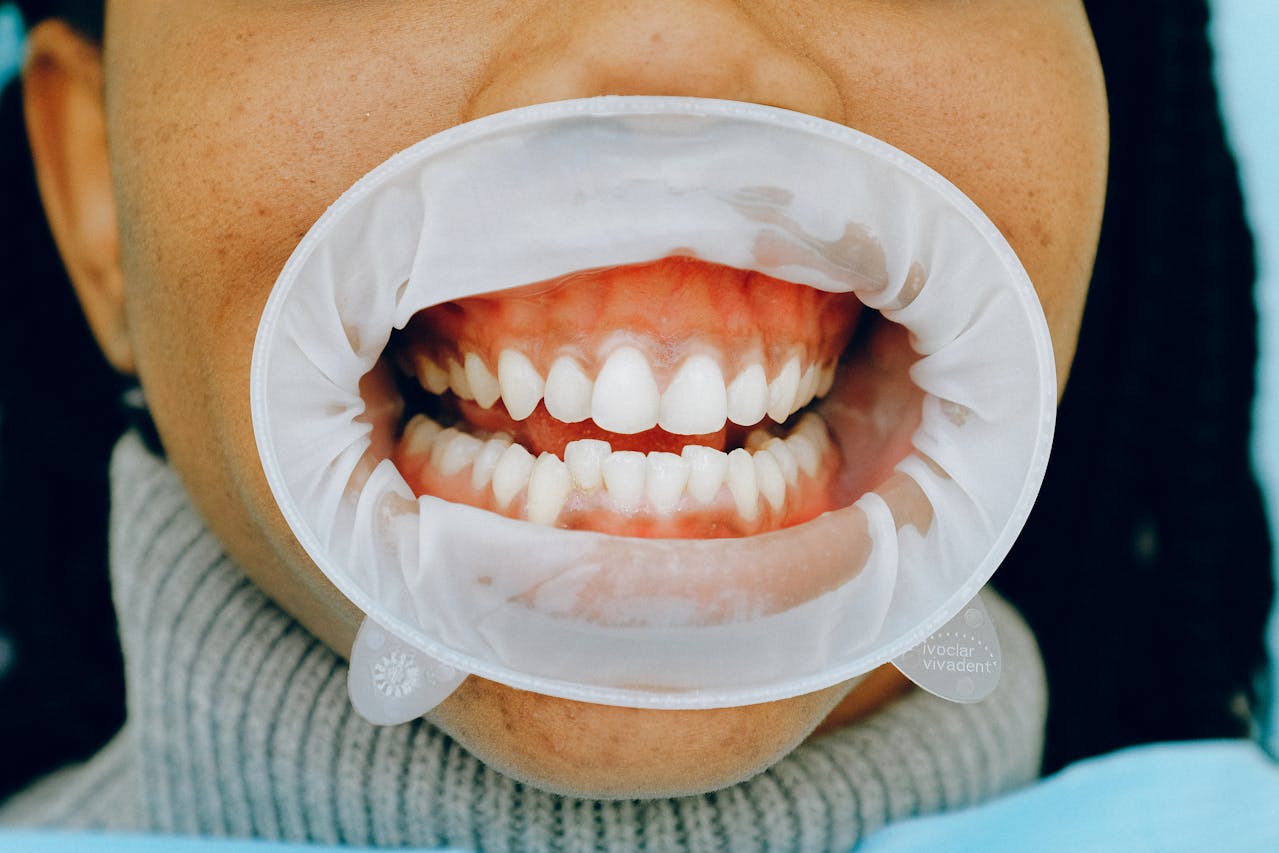
Gums play a vital role in oral health and overall wellbeing, from supporting the teeth and protecting against cavities to helping to reduce the risk of cardiovascular disease and cognitive decline. Despite this importance, gum disease is a considerable, and growing, problem. Gum disease, also known as gingivitis or periodontitis, in its more severe form, is the most common chronic inflammatory disease suffered by humans and is said to affect around 45% of people in the UK. A gum specialist can help to eradicate the disease, but only if you seek support in a timely manner.
The longer gingivitis is left untreated, the more likely it will transform into periodontitis. That’s why it really pays to educate yourself on the warning signs and to seek help as soon as you can to help protect yourself from painful gum issues and even tooth loss.
Early signs of gum disease
Gum disease is common, but that doesn’t mean you can ignore it. Look out for the following signs:
- Bleeding gums when you brush or floss your teeth, or when eating hard, crunchy foods.
- Gums looking swollen and red.
- Sore gums.
Symptoms can come on slowly, over time, or they may occur suddenly, or only affect a small number of teeth.
Symptoms of periodontitis
If left untreated, gum disease can develop into the more serious periodontitis, which is characterised by the following symptoms.
- Puffy, red or purple gums.
- Tender, sore gums that bleed easily.
- Spitting out blood or having a pink toothbrush after brushing your teeth.
- Pus between the teeth and gums.
- Bad breath that won’t go away.
- Shrinking gums that pull away from the teeth.
- Change in the way the teeth fit together when you bite.
- Pain when chewing.
When to seek help from a gum specialist
If you have noticed the early warning signs such as bleeding gums or bad breath, it’s wise to schedule an appointment with your dentist, or mention it at your upcoming check up. If you are worried about worsening symptoms, or believe you might have periodontitis, then it’s advisable to book an appointment without delay as the sooner you can start treatment the less likely it is that the disease will result in tooth loss.
Not only will seeking treatment from a gum specialist help get your gums back to better health but will also improve diabetes outcomes and bring your risk of heart disease and stroke back down.
There are, of course, things that you can do at home to reduce your risk of gum disease and periodontitis, including:
- Brush your teeth twice a day, including once before bedtime, using a manual or electric toothbrush.
- Floss in between your teeth, or use interdental brushes, once daily to remove food debris and bacteria from the places your toothbrush can’t reach.
- Stop smoking, if you currently smoke, as it causes more plaque and reduces oxygen levels in the bloodstream, preventing infected gums from healing.
- Visit your dentist regularly and have your teeth cleaned by a hygienist, as advised.
Eating a healthy, balanced diet that is rich in vitamins and minerals can also help to promote good gum health.
A gum specialist, also known as a periodontist, is a dentist who has undergone extensive additional training in the field of periodontics, which focuses on the health of gums and supporting structures around teeth. Gum specialists are equipped to handle complex cases of gum disease and offer targeted treatments to save teeth, restore gum health, and prevent further damage to the supporting structures of the teeth, including:
- Diagnosing and treating various stages of gum disease, from gingivitis to advanced periodontitis.
- Performing specialised deep cleaning procedures below the gum line.
- Treating cases of advanced gum disease that general dentists may not be equipped to handle.
- Providing surgical interventions when necessary to save teeth or restore gum health.
- Diagnosing and treating peri-implantitis, an inflammatory condition affecting dental implants.
- Offering preventive care and education to patients at risk of gum disease
What happens if you leave gum disease untreated?
Bleeding gums might not be top of your priority list, but if you ignore it and periodontal disease develops, you will be putting your smile in jeopardy. Periodontitis is a serious infection that damages the soft tissues surrounding the teeth. If left untreated, it can destroy the bone that supports your teeth and ultimately result in tooth loss.
The root of most cases of gum disease is plaque, but if you don’t regularly remove this plaque, or get treatment from a gum specialist, it can, over time, develop into periodontitis, and here’s how:
- Plaque formation – plaque forms when food sugars and starches mix with mouth bacteria. Brushing twice daily and flossing once removes plaque, but it quickly returns.
- Tartar development – if plaque isn’t removed, it hardens into tartar under the gumline. Tartar can’t be removed by brushing or flossing; a dentist must clean it.
- Bacterial damage – plaque and tartar harbour bacteria that can damage teeth and gums the longer they remain.
- Gingivitis – plaque can lead to gingivitis, causing gum irritation and swelling. Early treatment and good oral care can reverse it.
- Periodontitis – untreated gingivitis can progress to periodontitis, forming deep pockets between gums and teeth filled with bacteria. This can lead to tissue and bone loss, and eventually tooth loss.
- Systemic impact – chronic gum inflammation can strain the immune system and contribute to other health issues.
Now that you know a little more about what causes gum disease, the warning signs to look out for and how to treat and prevent periodontitis, it’s time to ask yourself whether you need to see a gum specialist. Dentalia offers a gum clinic in Basingstoke to support patients to improve their gum health and prevent and treat gingivitis and periodontitis. More information can be found on their website or by performing a Google search to learn more about gum disease and how to prevent it.